
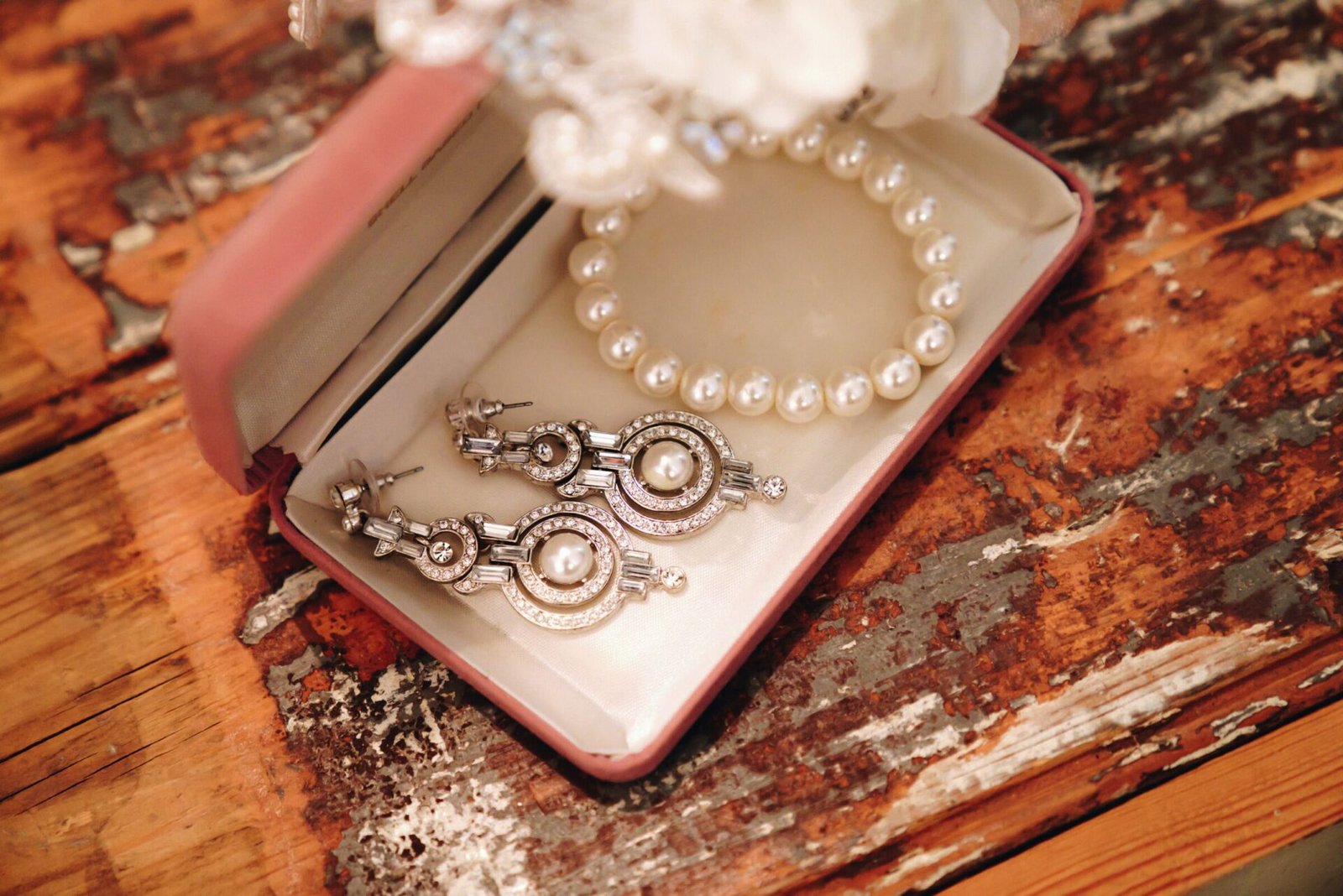
These belongings may not have the same financial value as a home or investment account, but they can carry enormous sentimental value. When there is no clear plan for them, even relatively small items can become a source of disagreement among family members.
Does your will decide who gets everything you own?
Your will can include instructions about who should receive your property after you die. However, the way your will deals with personal belongings depends on the wording of the will and the nature of the property.
Some people assume their family will simply divide everything fairly after they die. Unfortunately, “fair” can mean very different things to different people. One child may treasure your collection of photographs. Another may have always expected to receive your jewellery. Someone else may have an emotional connection to a particular piece of furniture. Without clear instructions, your family may be left trying to determine what you would have wanted.
Which personal belongings should you think about?
You don’t necessarily need to list every item you own in your will. Instead, start by thinking about belongings that have either significant financial value or sentimental importance. These might include jewellery, artwork, antiques, vehicles, recreational equipment, tools, furniture, or items with cultural or family significance. You may be surprised by how many things have special meaning to different members of your family.
What about sentimental items?
Sentimental belongings deserve particular attention because their emotional value can be much greater than their monetary value. A handwritten recipe book might be worth very little financially but may mean everything to one child. These are the items that can create unexpected disagreements when there is no plan. You may want to think about which belongings have special meaning to you and whether there are people you would like to receive them.
Can you leave instructions outside your will?
You may want to create a separate list of personal belongings and your wishes for them. However, you should be careful about relying on an informal list as a substitute for legally effective instructions in your will. Whether a separate document can be used effectively depends on the circumstances and the wording of your estate planning documents. If you have very specific wishes about valuable or sentimental belongings, discuss them with your estate planning lawyer.
Do you need to list every item in your will?
While it can be tempting to list every valuable or sentimental item in your will, doing so can sometimes create more complications than you might expect. Your executor may have to track down each item, confirm it is still part of your estate, and ensure it goes to the person you named. If an item has been sold, lost, given away, or is difficult to locate, this can add extra work and potentially lead to delays or disagreements.
If you trust your family to work together and divide sentimental belongings fairly, you may prefer to give your executor some flexibility rather than documenting every item in your will. You could also prepare an informal list of items and the people you hope will receive them, giving your executor and family a helpful starting point. This can communicate your wishes without requiring every detail to be written into your will. However, an informal list may not be legally binding, so it is worth discussing with your lawyer how best to document your wishes while keeping the administration of your estate manageable.
What about digital photographs and other digital belongings?
Many of our most meaningful possessions are now digital. Family photographs may be stored in cloud accounts. Important videos may exist only on a phone or computer. You may also have digital files, online accounts or other digital assets that need to be dealt with after your death. These items can be addressed directly by your will and it can be important to make sure your estate plan considers these assets as well.
What about family heirlooms?
If you have items that have been passed down through your family, consider whether you want that tradition to continue. You might want to leave a particular item to a particular person, especially if they have a connection to it. You can also think about whether an item should remain within the family or whether it makes more sense to sell it and divide the proceeds.
Should you tell your family what you plan to leave them?
This is a personal decision. Some families find it helpful to talk openly about important belongings before a death. A conversation can help explain why you’ve made certain choices and give family members an opportunity to share what matters to them.
Other families may prefer to keep the contents of a will private. There is no single right approach. However, if you anticipate that a particular item or decision could cause conflict, addressing the issue while you are able to explain your thinking may help prevent misunderstandings later.
What if you don’t have many valuable possessions?
Estate planning isn’t only for people with expensive jewellery, valuable collections or large estates. Even modest belongings can carry significant emotional value.
The goal isn’t necessarily to create a detailed inventory of everything you own. It is to think about the things that matter and make sure your estate plan provides a reasonable way of dealing with them.
Conclusion
Personal belongings may seem like a small part of an estate, but they can become surprisingly important after someone dies. Taking some time to think about your belongings, identify important family heirlooms and communicate your wishes can help make things easier for the people who will be dealing with your estate.
Find out more about our estate planning services and book a consultation here.
Stay up to date with the latest legal scoop by signing up for our newsletter.
Disclaimer: This blog post is for informational purposes only and should not be construed as financial or legal advice. Consult with qualified professionals to create a personalized estate plan suitable for your specific circumstances.