
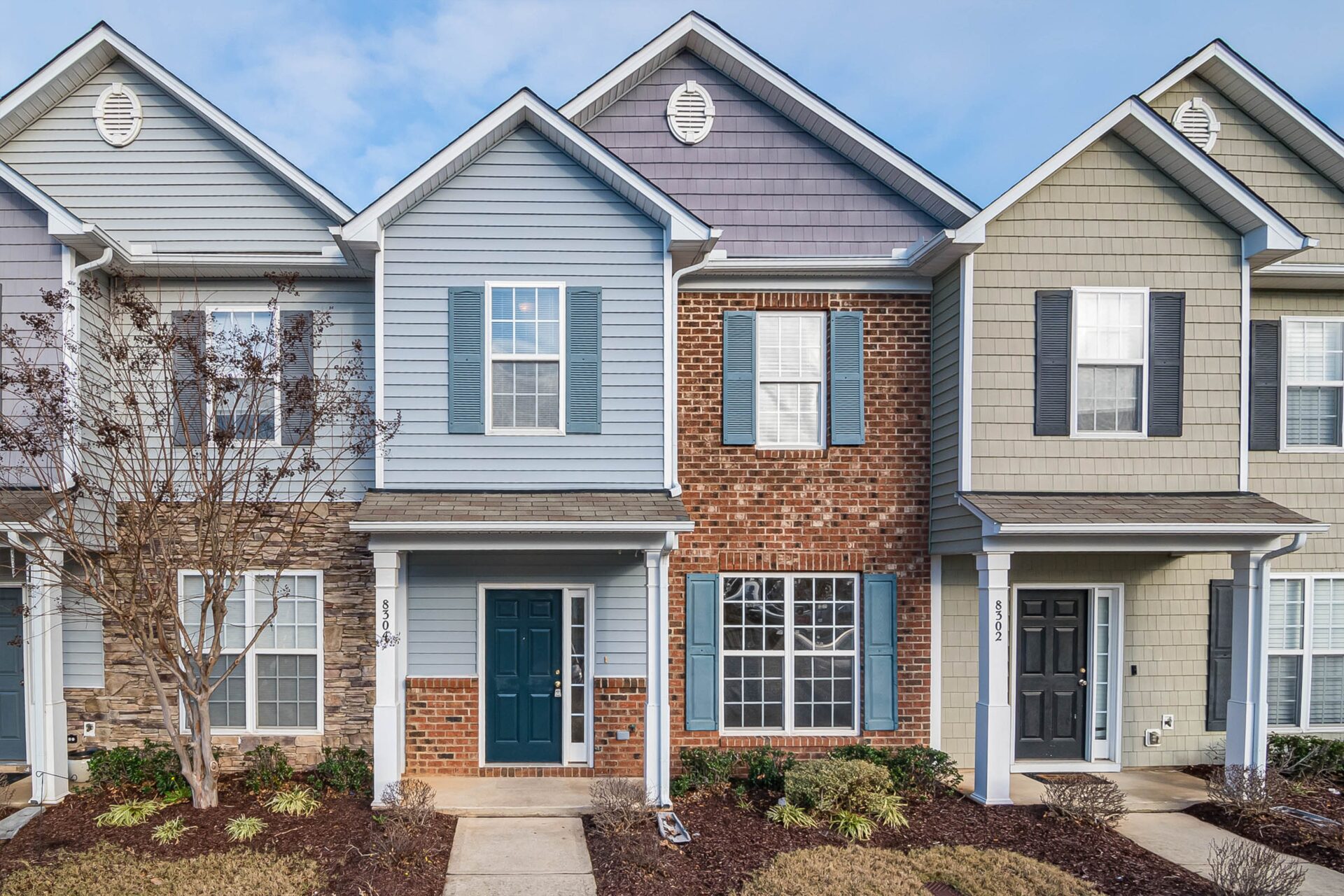
Conversely, a piece of advice from the estate planning side is to revisit your will if you buy property. Real estate law and estate planning law often intersect. A house or other property is often someone’s biggest asset and ensuring it passes on appropriately is vital to proper estate planning.
Joint Tenancy
The first question for many of my clients is whether their property is in joint tenancy or not. For most couples it will be, in which case it will pass outside the will to the surviving spouse. If it’s not, it will go through the will and through probate. This translates to additional cost and sometimes exposes the property to the risk of litigation.
‘Til Death Do Us Part
Many of my clients are already married or in common-in-law relationships. The property they own is in joint names. In this case, it is helpful to know that after one individual passes, the property will not go through probate.
However, for married couples in blended relationships (ie. where there are children on one or both sides from previous marriages) this can complicate the situation. Is it truly the intent of both parties for all the equity in the home to go solely to their spouse and not to the children? Even a promise from one spouse to another may not be sufficient because it will not legally bind the surviving spouse from bequeathing the property to his or her own children only after the death of the other spouse.
Trusts
Another strategy that is sometimes used is transferring a property into joint names with your expected beneficiaries even if they are not a spouse. This is typically children, but could theoretically be anyone. Doing so, however, requires explicit confirmation, potentially in a trust, to ensure that it is clear that you are doing so only for estate planning purposes. A word of caution, however, more names on title means more people who can be sued for a portion of the property, regardless of the validity of those claims.
Capital Gains
Another concern when estate planning is capital gains on death and when any property is sold. For many people, the principal residence exemption shields them from any taxes from the sale of their home, but if you own additional properties, it can come as a shock to yourself or your beneficiaries when this tax needs to be paid.
Conclusion
In our current age, real estate is a huge portion of many people’s asset portfolios, especially when compared to average incomes. While this has many negative effects, one of the things to keep in mind is how it affects an estate plan and how it will affect any plan you have for what will happen to your assets. Beyond what was discussed here, there are various ways of structuring your situation to potentially avoid probate or other taxes. So, whether you have just purchased your first home, a second home, an income property or already own property but do not have a will in place, ensure that you speak to a legal professional to safeguard your biggest asset.
Find out more about our estate planning services and book a consultation here.
Stay up to date with the latest legal scoop by signing up for our newsletter.
Disclaimer: This blog post is for informational purposes only and should not be construed as financial or legal advice. Consult with qualified professionals to create a personalized estate plan suitable for your specific circumstances.